On March 24, 2025, an accidental emergency alert was sent out in Nikaho City, Akita Prefecture. When citizens received the urgent message stating “A tsunami is coming” and “Evacuate to higher ground,” many were instantly gripped by fear. However, this false alarm has provided us with valuable lessons. Let’s examine the importance of tsunami preparedness and what we can do to prepare through this incident.

The Circumstances of the False Alarm
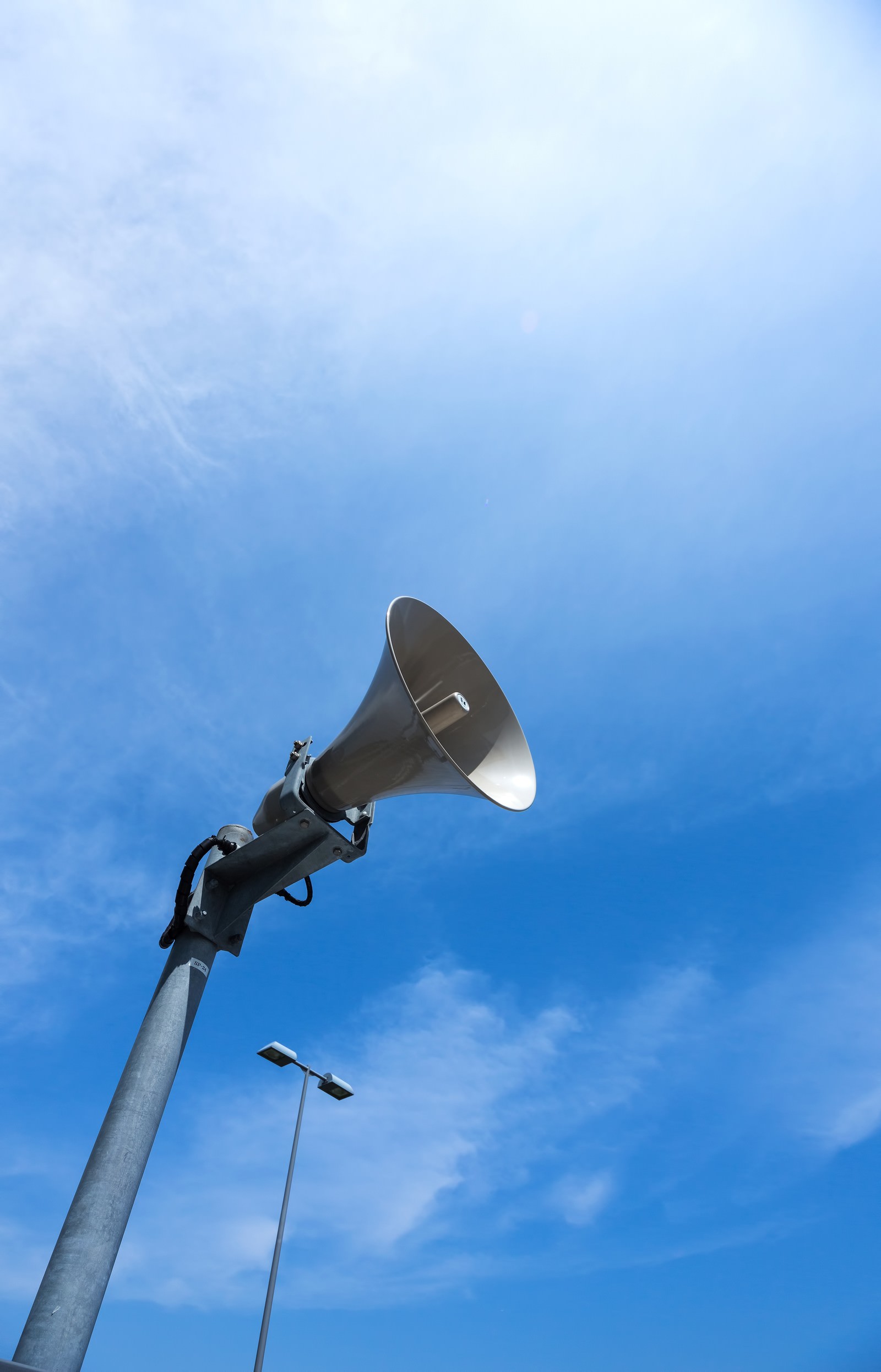
During a routine check and test of the information distribution system by Nikaho City’s disaster prevention department, an employee’s operational error resulted in the accidental broadcast of a tsunami warning and evacuation order. The information reached many citizens through outdoor broadcasts via the disaster prevention administrative radio system and the “Disaster Safety Email” service.
The Impact of the False Alarm
This false alarm caused significant confusion among citizens. Many people began evacuating to higher ground, and the city office was flooded with inquiries. However, this incident also served as an opportunity to raise disaster awareness among citizens.
Lessons to Learn from the False Alarm
The Importance of Rapid Information Dissemination
Although it was a false alarm, the fact that information quickly reached citizens is commendable. In an actual disaster, such swift information dissemination could save lives.
Increased Disaster Awareness Among Citizens
The citizens’ response to the false alarm demonstrated that many understand the importance of evacuation. This experience may lead to improved actions during an actual disaster.
Identifying System Vulnerabilities
This false alarm revealed areas for improvement in the disaster prevention system. It is expected that this will lead to the development of a more reliable system.
Tsunami Preparedness Measures We Can Take
- Confirm Evacuation Routes
Regularly check and share evacuation routes from home and workplace with family and colleagues. - Prepare Emergency Go-Bags
Prepare and store emergency go-bags containing food, water, medicine, flashlights, etc., in easily accessible locations. - Participate in Disaster Drills
Actively participate in local disaster drills to experience actual evacuation procedures. - Secure Multiple Information Sources
Ensure access to multiple information sources, such as disaster prevention administrative radio and smartphone apps. - Strengthen Community Bonds
Maintain good communication with neighbors to build relationships that can provide mutual aid during disasters.
Conclusion
The false alarm incident in Nikaho City has reminded us of the importance of tsunami preparedness. To realize “a world where no one dies from tsunamis,” not only government efforts but also individual awareness and action are essential.
Rather than treating this incident as someone else’s problem, we should recognize it as a potential reality for ourselves and never neglect daily preparations. For us living in earthquake-prone Japan, tsunami preparedness is a lifeline. It is our responsibility to use this lesson to build a safer and more resilient society.
While false alarms can sometimes cause confusion, they can also lead to better preparedness that saves lives. Let’s view the Nikaho City incident as a valuable opportunity to raise disaster awareness and take action once again to protect our own lives and those of our loved ones12468.


コメント